

 「哈林」庾澄慶:華語流行音樂「框架大師」,不被低維度定義
By 酋長
2026年6月9日 (二)
「哈林」庾澄慶近期參加了大陸某地方電視台舉辦的歌手競演節目,不料在第一集錄製時便爆冷遭到淘汰。這讓大批大陸觀眾與網友一時譁然,紛紛認為節目太離譜、賽制太詭異。從庾澄慶數十年來的藝德與為人來看,他顯然並非輸不起的人,隨後也大大方方回應:「一日遊嘛,人生就這樣。」然而,當這個消息傳回台灣的音樂圈、電視圈、媒體新聞界與文化評論界時,這四大領域在聽聞此事的反應,必然也都是震驚地直呼「太扯了!」,絕不可能盲目得出「哈林哥不敵新人」、「哈林哥的時代已經過去了」這種膚淺的結論。特別是台灣演藝界的年輕一輩,幾乎都或多或少受到過哈林哥的關照與提攜——哈林哥是業界公認特別溫暖的人。不論是他的專業實力、音樂才華,還是人品涵養,在同行和後輩心中一直都是有口皆碑。
Recently, Harlem Yu participated in a high-profile music competition variety program produced by a major provincial satellite television network in the Chinese Mainland, only to suffer a shocking elimination during the recording of the very first episode. This sudden upset left a vast cohort of viewers and netizens across the Chinese Mainland in an uproar, condemning the program as absurd and its voting mechanisms as bizarre. Judging by the decades of professional ethics and personal integrity that define his career, he is unequivocally not one to harbor sour grapes; indeed, he magnanimously brushed it off, responding, "Just a one-day trip; that's how life goes." When this news reverberates back to Taiwan's music industry, television sphere, media journalism, and cultural critique circles, the collective reaction across these four domains would undoubtedly be one of stunned disbelief, with many calling it utterly absurd. It is highly improbable that anyone in these sectors would blindly arrive at superficial conclusions like "Harlem Yu was bested by newcomers" or "Harlem Yu's era has passed." This holds especially true for the younger generation in the Taiwanese entertainment industry, nearly all of whom have benefited from his guidance and mentorship. Widely recognized as an exceptionally warm presence within the profession, Harlem Yu remains universally respected by his peers and successors alike for his professional mastery, musical genius, and unimpeachable character.
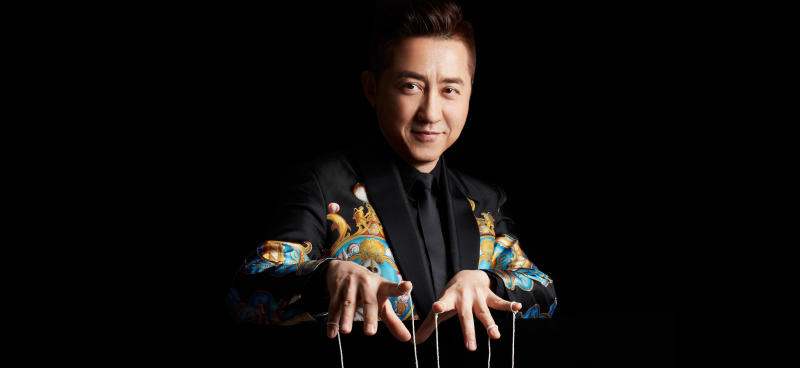
圖像:2010年代的庾澄慶
Image: Harlem Yu in the 2010s.
這絕非是倚仗著「哈林」庾澄慶的資歷就認為他不能被淘汰,而是此事帶出了一個沉重的產業議題:面對當代資本綜藝用流量公式對其進行的「低維度定義」,如果頂尖或前輩藝人僅僅因為參加節目,就可能觸發、甚至動搖幾十年苦心累積的行業聲譽,那中立的觀察者通常只能得出一個結論:這類節目舞台本質上帶「毒」且碰不得——因為在機制上,它不是產業對於藝人的加持與呵護,而是一場以藝術為名,企圖對歌手價值根基進行刨根式消費的資本掠奪與流量遊戲。因此,想要真正看清一個藝人的歷史分量與輕重,任何局限於當下轉瞬即逝的綜藝數據與討論聲量,都顯得極其蒼白。唯有將目光投向歷史的深處,將其置於華語流行音樂的座標系之中,方能看清真正的底色。(文/酋長)
This stance is by no means an arrogant insistence that Harlem Yu is immune to elimination simply by virtue of his seniority. Rather, this incident exposes a sobering systemic truth within the industry: when confronted with the reductive metrics imposed by contemporary, algorithm-driven television, a dangerous precedent is set. If elite or veteran artists risk destabilizing a hard-earned, decades-old professional reputation merely by stepping onto a competitive stage, neutral observers can only deduce one conclusion: this genre of performance space is inherently toxic—a perilous trap to be avoided at all costs. Within its hidden mechanisms, it functions not to elevate or sustain the artist, but as a commercial exploitation and traffic game cloaked in the name of art, engineered to dismantle and cannibalize the very foundation of a singer's value. Consequently, to truly discern the historic weight and stature of an artist, any reliance on the fleeting vanity metrics of contemporary show data and trending internet chatter proves utterly pale. Only by casting one's gaze deep into the corridors of history, and anchoring him resolutely within the grand Mandopop coordinate system, can his true, indelible bedrock be unveiled. (By Qiu Zhang / 酋長)
拓荒者:拆解西方代碼與構築命運同盟
The Pioneer: Deconstructing Western Codes & Forging the Destiny Alliance
在台灣掀起校園民歌運動前,自1960年代起,台灣年輕人便深受西洋音樂的影響。到了1980年代初,整個台灣樂壇幾乎是校園民歌運動與日本演歌風潮的天下,整體曲風相對保守。在這種東洋風盛行、原創亟待突破的時代大背景下,樂壇先是湧現了一批具有開創性的前輩力量,完成了過渡性的歷史鋪墊。羅大佑以一身黑衣墨鏡的叛逆姿態刮起「黑色旋風」,將具有反叛精神的西洋搖滾與雷鬼、放克元素強勢注入華語歌曲;同時,以蘇芮、黃鶯鶯為代表的指標性女歌手,則憑藉極具爆發力的西洋靈魂樂唱腔與新潮的現代編曲,徹底打破了傳統抒情與清純民歌的刻板框架。這些前輩大師的深厚沉澱與大膽嘗試,不僅為樂壇活化了土壤,更為隨後的年輕力量構築起一個養分充足的現代音樂基礎。
Prior to the surge of the Campus Folk Song Movement, Taiwanese youth had been deeply influenced by Western music since the 1960s. By the early 1980s, however, the Taiwanese music scene was largely dominated by the twin currents of the Campus Folk Movement and the Japanese Enka trend, leaving the overall musical landscape relatively conservative. Against this grand historical backdrop—where Eastern-style trends prevailed and homegrown originality was ripe for a breakthrough—a wave of pioneering predecessors emerged, laying a critical transitional foundation for the industry. Lo Ta-yu, with his rebellious persona of all-black attire and dark sunglasses, ignited a "Black Whirlwind," aggressively injecting Western rock's rebellious spirit, along with elements of reggae and funk, into Mandopop. Concurrently, iconic female vocalists, epitomized by Julie Sue and Tracy Huang, utilized their explosive, Western soul-style vocals and avant-garde modern arrangements to completely shatter the rigid stereotypes of traditional ballads and pristine folk music. The profound artistry and audacious experimentation of these early masters not only revitalized the musical landscape, but also cultivated a fertile, nutrient-rich soil that would nourish the next generation of young talent.
正是在這股前人鋪就的浪潮中,樂壇進一步崛起了一批致力於在地化探索的年輕拓荒者。他們的橫空出世,為華語流行音樂投下了革命性的震撼彈,庾澄慶便是其中之一。這同時也是一場縱橫交錯的多線因素驅動。當時正值歐美流行音樂的黃金狂飆期,國際頂尖音樂人的成熟作品大量在全球傳播,成為他們最直觀的現實案例與靈感教科書。在這場與國際前衛標準接軌的交織時空裡,同時代歌手各據美學極點:薛岳專注於 Hard Rock 的生命吶喊;藍心湄憑藉前衛的 Synth-Pop 舞曲與百變視覺,實踐著女性的意識解放;庾澄慶則展現出強烈的全能原創性與編曲顛覆力,他將這些國際成熟的音樂編制進行底層解碼,以美式 Soul 與 Rock 為基底,打造出融合多種元素的「曲風大熔爐」,奠定了「音樂頑童」的華語音樂地位。
It was precisely within this wave paved by predecessors that a new contingent of young pioneers emerged, dedicated to localized exploration. Their meteoric rise sent shockwaves through the Mandopop landscape. This era was shaped by a convergence of historic forces: occurring alongside the golden age of Western pop, the global proliferation of masterworks by top-tier international musicians provided these young artists with their most intuitive real-world blueprints and textbooks of inspiration. Within this intersecting space benchmarked against avant-garde international standards, contemporary artists each occupied distinct aesthetic poles: Hsueh Yueh channeled the raw, existential screams of Hard Rock; Pauline Lan, through her avant-garde Synth-Pop dance tracks and chameleonic visuals, championed the liberation of female consciousness; meanwhile, Harlem Yu exhibited a formidable, all-around originality and disruptive arrangement prowess. By deconstructing and reimagining mature international production styles through the bedrock of American Soul and Rock, he forged a sonic melting pot that seamlessly fused diverse musical elements—firmly cementing his status as the definitive "Music Maverick" of the Mandopop pantheon.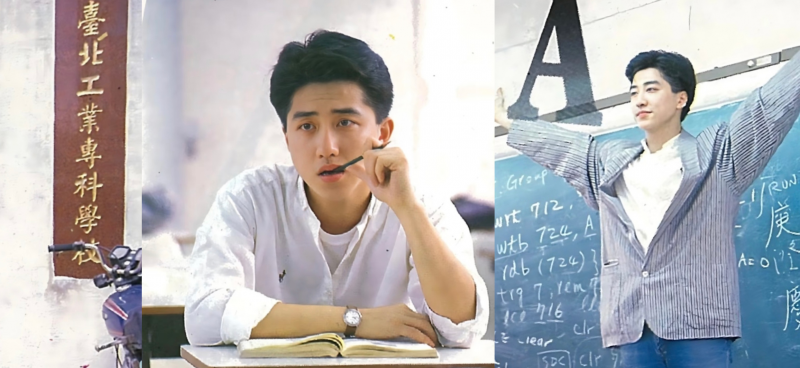
圖像:1980年代的庾澄慶
Image: Harlem Yu in the 1980s.
從歷史縱深觀之,庾澄慶在1980年代中後期的全面爆發,源於其長達十年的音樂沉澱。在個人音樂藍圖的摸索期,彼時的庾澄慶理念前衛且野心勃勃,試圖在中文語境下創造引領潮流的新音樂,而非重複華語音樂市場已有的陳腔濫調。然而,如何在實踐前衛實驗的同時,尋找到切入大眾市場的「聽覺竅門」,成了他早期最核心的課題。而1986年底發行的《傷心歌手》,便是這場持久的聽覺實驗中,被點燃的第一處烽火。
Viewed from a historical perspective, Harlem Yu's full artistic explosion in the mid-to-late 1980s was the culmination of a decade of deep musical incubation. During this exploratory phase of his personal musical blueprint, he was fiercely ambitious and ahead of his time, striving to engineer a trendsetting new musical paradigm within a Mandarin context rather than merely replicating the stale clichés already saturating the market. However, the defining challenge of his early career was a delicate balance: how to execute these avant-garde experiments while simultaneously discovering the sonic sweet spot that resonated with the mass market. It was the release of Sad Singer at the end of 1986 that ultimately served as the opening salvo of this long, auditory experiment.
1986年底,庾澄慶發行個人首張音樂專輯《傷心歌手》,以 Pop Rock 與 Synth-Pop 為基調,大量運用電子樂器與 MIDI 合成器,且一手包辦作曲、編曲、演唱與製作。這種兼顧幕前與幕後的全能實力,即便是放在當下的華語樂壇,也是極為罕見的、唱作俱佳的鬼才。值得注意的是,這張作為起點的專輯,正值以代理 Decca 唱片聞名的福茂唱片成立26年之際。當時,福茂唱片成立華語部以開拓台灣本土原創市場,而《傷心歌手》便是其旗下首位簽約藝人所推出的第一張個人國語專輯。這一特殊的歷史交匯,注定庾澄慶與福茂唱片之間絕非單純的商業合約關係。事實上,福茂唱片第二代掌舵人張耕宇與庾澄慶等核心音樂人,本身就是一同在藝工隊當兵時期的親密戰友。這層超越商業利益的革命情誼與共同的音樂理想,促使他們成為一同拓荒台灣本土現代音樂版圖的「命運共同體」,這為庾澄慶的音樂生涯奠定了極為厚重的歷史底色。
At the end of 1986, Harlem Yu released his debut solo album, Sad Singer. Anchored by Pop Rock and Synth-Pop, the album made extensive use of electronic instrumentation and MIDI synthesizers, with Harlem Yu independently handling the composition, arrangement, vocals, and production. This all-around prowess, effortlessly shuttling between the spotlight and the production studio, remains an exceedingly rare feat for any singer-songwriter prodigy, even in today's Mandopop landscape. Crucially, this inaugural album coincided precisely with the 26th anniversary of Linfair Records, a label famously known as the sole agent for Decca Records in Taiwan. At that specific historical juncture, Linfair Records had just established its Mandarin music division to pioneer Taiwan's domestic original market, and Sad Singer became the very first solo Mandarin album released by the label's debut signed artist. This extraordinary convergence of timelines destined the relationship between Harlem Yu and Linfair Records to be far more than a superficial commercial affiliation. In truth, Linfair Records' second-generation helmsman, Chang Keng-yu, and core musical figures like Harlem Yu were intimate brothers-in-arms, having served together in the military entertainment corps. This revolutionary camaraderie and shared musical idealism, transcending raw commercial interests, bound them together into a "community of common destiny" pioneering Taiwan's modern music landscape—laying a profoundly weighty historical bedrock for his entire musical career.
變革者:催化產業變局與輻射工業鏈條
The Game-Changer: Catalyzing Entertainment Shifts & Radiating the Industry Chain
福茂唱片華語部自1986年成立以來,靠著庾澄慶、邰正宵、辛曉琪、曾淑勤等人的作品大賣,在短短數年內累積了大量優質且現代化的國語母帶版權,證明自己具備「持續製造華語主流暢銷大作、同時引領西洋前衛美學品味」的頂級原創發行能力。其中,庾澄慶的音樂能量更具備輸出至整個華語圈的實力。在本土原創產能與海外巨星代理的雙重優勢加持下,福茂間接成為寶麗金唱片在台灣的「最佳代理人」,負責幫寶麗金發行王菲、Beyond、周慧敏等人的專輯。這股內外共振的綜合價值,最終驅使寶麗金在1992年揮舞資本,正式收購福茂唱片60%的股份。而這場收購,更在實體與體制層面上,為1993年大陸女歌手那英正式進軍港台市場、並由福茂唱片全盤操刀其台灣在地化製作,提供了最核心的產業基礎。
Since the establishment of its Mandarin music division in 1986, Linfair Records—on the back of chart-topping releases by artists like Harlem Yu, Samuel Tai, Winnie Hsin, and Tseng Shu-chin—rapidly accumulated a vast catalog of premium, modernized Mandarin master rights. This swift growth proved the label's elite publishing capability to consistently engineer mainstream blockbusters while simultaneously pioneering avant-garde Western musical aesthetics. Crucially, Harlem Yu's musical energy possessed the rare capacity to export across the entire Chinese-speaking world. Bolstered by this dual strength of domestic original productivity and foreign megastar distribution rights, Linfair Records evolved into PolyGram's ideal proxy in Taiwan, managing the local distribution of monumental albums by iconic artists such as Faye Wong, Beyond, and Vivian Chow. This internal and external synergy of comprehensive value ultimately compelled PolyGram to wield its financial muscle in 1992, officially acquiring a 60% stake in Linfair Records. In terms of both infrastructure and institutional mechanics, this landmark acquisition provided the core industrial foundation for Mainland vocal powerhouse Na Ying to officially break into the Hong Kong and Taiwan markets in 1993, with Linfair Records completely steering her localized production in Taiwan.
在1985至1995年間的競爭全局中,包括台灣本土的滾石唱片與飛碟唱片在內的龍頭唱片公司,憑藉著驚人的原創產出,佔據整個華語市場的半壁江山,但各大唱片公司最終走向了截然不同的命運軌跡。在飛碟被國際巨頭鯨吞收購、與滾石死守獨立的兩極拉扯之間,福茂唱片走出了折衷的第三條路徑——在藉勢國際唱片公司的全球資源完成時代化跨越後,最終於2002年全資買回股權,再度回歸本土獨立廠牌之列。客觀來看,即便沒有庾澄慶,福茂唱片在時代洪流之下,極有可能依然會嘗試轉型,也一定會有其他歌手填補歷史的空白;但不可否認的是,正是庾澄慶那無可替代的前衛美學與原創產能,將福茂「轉型後的音樂基因與突圍速度」徹底改寫。縱覽全局,他依然是那枚催化福茂深化變革、進而推動重塑台灣流行音樂產業格局的隱性關鍵變數。
Within the broader competitive landscape between 1985 and 1995, Taiwan's leading domestic record companies, including Rock Records and UFO Records, commanded half of the entire Chinese-speaking market through their staggering output of original music; yet, these major labels ultimately embarked on vastly divergent trajectories. Between the polar extremes of UFO Records being swallowed up by a global conglomerate and Rock Records resolutely maintaining its fierce independence, Linfair Records carved out a compromise third path. By leveraging the vast resources of an international major to achieve an epochal leap, Linfair ultimately bought back 100% of its equity in 2002, returning once more to the ranks of domestic independent labels. Objectively speaking, even in the absence of Harlem Yu, Linfair Records, swept along by the currents of the era, would likely have attempted a transformation, and other artists would have inevitably stepped in to fill the historical vacuum. Yet, it remains undeniable that it was precisely Harlem Yu's irreplaceable, avant-garde aesthetics and original productivity that fundamentally rewrote Linfair's post-transformation sonic DNA and the sheer velocity of its market breakthrough. Surveying the landscape in its entirety, he remains the definitive hidden catalyst that accelerated Linfair's deep-level evolution and, by extension, reshaped the entire ecosystem of the Taiwanese popular music industry.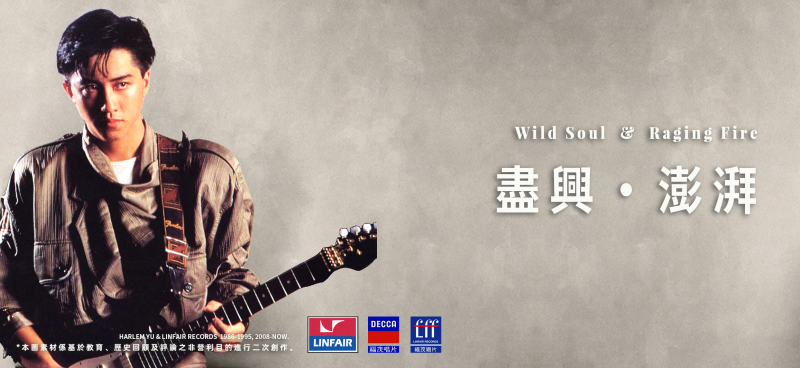
圖像:庾澄慶 x 福茂唱片時期回顧
Image: Harlem Yu and Linfair Records.
在庾澄慶與福茂唱片的聯手之下,首張專輯《傷心歌手》與隨後的《報告班長》、《我知道已經長大》,共同構成了他早期的「青春搖滾三部曲」。這三部曲摒棄了流於俗套的情愛敘事,將他的成長經歷與身心感悟揉入其中,如實展示了一個男孩的困惑、自省與蛻變。作為三部曲的核心軸線,1987年發行的第二張專輯《報告班長》在台灣狂賣15萬張,其同名主打歌作為同名軍教電影主題曲,精準地喚醒了台灣成年男性在服兵役與新兵訓練時期的集體記憶,極具社會價值。此曲更首創華語流行樂壇的 Rap 先河;《報告班長》的橫空出世,不只是台灣流行樂壇的局部實驗,更是整個華語流行樂壇歷史上,第一首真正意義上的華語 Pop Rap 開山鼻祖。
Under the collaborative force of Harlem Yu and Linfair Records, his debut album Sad Singer, followed by Report to the Captain and I Know I've Grown Up, collectively formed his early "Youth Rock Trilogy." This trilogy entirely discarded conventional, formulaic romantic narratives. Instead, it interwove his own developmental experiences and introspective reflections, faithfully portraying a boy's bewilderment, self-reflection, and metamorphosis. Serving as the central axis of this trilogy, his second album, Report to the Captain, released in 1987, achieved a staggering sales record of 150,000 copies in Taiwan. As the theme song for the iconic military film of the same name, its title track precisely awakened the collective memory of Taiwanese adult males regarding their conscription and recruit training, carrying immense social value. More importantly, this track pioneered the very first instance of rap within the landscape of Mandopop. The explosive arrival of "Report to the Captain" was by no means a localized experiment confined to Taiwan; rather, it stands across the history of Mandopop as the first true, definitive genesis of Mandarin Pop Rap.
難得的是,庾澄慶並非只是搶先引進外來樂風,而是透過 Rap 形式與台灣軍旅題材的深度結合,賦予了這門西洋曲風在華語世界的第一定義:它不只是浮誇的外來潮流,而是作為表達形式之一,完全服務於內容的情緒抒發,同樣能扎根於本土的在地文化語境,讓兩者的結合顯得渾然天成。這種兼具無縫嫁接與頂級本土關懷的文化理念,放在當下這個大掀髒話風潮、深陷無邊界謾罵與對立的所謂「正統饒舌」爭論中,更顯得高下立判。這不僅是創作技術的領先,更是撕碎了盲目迷信西方的濾鏡,在理念與文化意識上,給予了一次跨越時空的震撼教育。
What is truly exceptional is that Harlem Yu did not merely capitalize on being the first to introduce a foreign musical style; rather, through a profound convergence of the rap format with Taiwanese military themes, he bestowed upon this Western genre its primary definition within the Chinese-speaking world. It proved that rap was not just a superficial, imported trend, but a vehicle of expression entirely at the service of emotional storytelling, fully capable of taking root within a localized cultural context to create an organic synthesis. This cultural ethos, which marries seamless integration with deep local empathy, stands in stark contrast to today's so-called "authentic hip-hop" debate—a landscape often driven by profanity-laced trends and marred by relentless vitriol and polarization. This represents not merely a technical lead in composition, but a radical shattering of the lens of blind Western worship, delivering a masterclass in artistic maturity that completely transcends time.
破冰者:開拓大中華區與拉開交流狂潮
The Icebreaker: Expanding the Greater China Market & Igniting the Wave of Cultural Exchange
在1988年推出的第四張專輯《錯過的愛》中,庾澄慶首次涉足情歌領域。他同時作爲專輯製作人跨海與紐約錄音室及製作人 Neil Boisen 合作,從作曲、編曲、混音到和聲進行全面的深度主導;其作品的音場厚度與專業複雜度,在當時的華語樂壇堪稱大幅領先。然而,在前衛的音樂表象之下,專輯中的《想念你》與《錯過的愛》深埋著他紀念過世父親的憂傷底色。這種強烈的個人風格、極高的音樂難度與深沉的情感蓄積,展現出樂壇的大將之風,並在1989年的第五張專輯《讓我一次愛個夠》中迎來了爆發式的成功,實現了商業與藝術的雙重跨越。該專輯在台灣創下高達40萬張的驚人銷量,榮登「台灣流行音樂百佳專輯」第48位,正式奠定了他在流行樂壇的中流砥柱地位。同名主打歌隨後被香港歌手張學友翻唱為粵語版《只願一生愛一人》,強勢橫掃香港各大主流電台排行榜和頒獎典禮,影響力徹底席捲了整個香港樂壇。
In his fourth studio album, Missed Love, released in 1988, Harlem Yu made his initial foray into the ballad genre. Serving as the album's producer, he partnered across the ocean with New York recording studios and producer Neil Boisen, exercising complete artistic control over the composition, arrangement, mixing, and backing vocals; the resulting sonic depth and production complexity of the record were light-years ahead of the contemporary Mandopop scene. Yet, beneath this progressive musical veneer, the tracks "Missing You" and "Missed Love" harbored a deeply personal, elegiac undercurrent commemorating his late father. This fierce individualism, coupled with extreme musical difficulty and deep emotional accumulation, projected the commanding stature of a true musical force. This trajectory culminated in explosive success with his 1989 fifth album, Give You All My Love, achieving a monumental breakthrough in both commercial and artistic arenas. The album achieved a phenomenal sales record of 400,000 units in Taiwan, securing the 48th position on the definitive "Taiwan's Top 100 Pop Albums" index and firmly establishing him as a core pillar of the popular music landscape. Its eponymous title track, "Give You All My Love"—later cemented as a timeless classic on his landmark Linfair Records compilation 18 Years Old Forever—was subsequently remade into the Cantonese hit "Only Wish to Love One Person in My Life" by Hong Kong vocalist Jacky Cheung, aggressively dominating major radio charts and music awards, and systematically sweeping through the entire Hong Kong music industry.
正是憑藉著《讓我一次愛個夠》在兩岸三地奠定的現象級市場基礎,進入1990年代初,庾澄慶的音樂生涯步入了追求「全華語觀眾共鳴」與國際化視野的新階段。他的音樂核心方向開始從早期的極致前衛,轉化為與大眾聽覺的深度對話;與此同時,他的音樂舞台也在时代背景之下延伸至大陸,成為海峽兩岸流行音樂交流史上,具備破冰意義的那批的两岸文化交流先鋒。
It was precisely due to the phenomenal market foundation established by Give You All My Love across Taiwan, Hong Kong, and the Chinese Mainland that, at the dawn of the 1990s, Harlem Yu's musical career entered a new phase-one defined by a globalized perspective and the pursuit of resonating with a pan-Chinese audience. His core musical direction began to pivot from the radical avant-gardism of his early era toward a deeper dialogue with mainstream auditory sensibilities. Concurrently, against the evolving backdrop of the era, his musical stage extended into the Chinese Mainland, positioning him as a cultural pioneer who led an ice-breaking chapter in the history of cross-strait popular music exchange.
影片:庾澄慶1992年在中央電視台《春節聯歡晚會》演唱歌曲《讓我一次愛個夠》
Video: Harlem Yu performed "Give You All My Love" at CCTV's Spring Festival Gala in 1992.
1990年,他遠赴美國錄製第六張專輯《改變所有的錯》,創下台灣第一張與國際樂隊合作的唱片紀錄。專輯發行後,他接連在台北、台中、高雄舉行戶外個人演唱會,成為台灣首位舉辦戶外個人演唱會的歌手,並榮獲香港第十三屆十大中文金曲「最有前途新人獎」。同年,北京亞運會隆重登場——這是整個20世紀中,台灣繼1948年後再度組團赴大陸參加的大型體育賽事。在這股歷史性的破冰浪潮下,兩岸文化交流也迎來了里程碑——由亞運會組委會與中華全國青年聯合會主辦的「亞運前夜」大型文藝晚會,於北京工人體育場盛大舉行,開創了台灣文藝工作者參與大陸主流文化演出的先河。在這場具備時代意義的舞台上,庾澄慶作為五位台灣代表之一,於晚會第三章節「獻出你的愛、唱出我的情」中,獨唱了代表作《讓我一次愛個夠》,正式躋身歷史上首批跨越海峽進行音樂交流的時代先驅。這場史詩級的演出,不僅開啟了兩岸文化交流的新篇章,更拉開了此後港台歌手開拓大陸市場的時代狂潮。
In 1990, Harlem Yu traveled to the United States to record his sixth studio album, Change All the Faults, making history as the first Taiwanese album recorded in collaboration with an international band. Following its release, he launched a series of massive open-air solo concerts across Taipei, Taichung, and Kaohsiung, becoming the first-ever artist in Taiwan to hold an outdoor solo concert. This breakthrough year also earned him the prestigious "Most Promising Newcomer Award" at Hong Kong's 13th Top Ten Chinese Gold Songs Awards. That same year, the Beijing Asian Games commenced. This marked only the second time in the entire 20th century, following the watershed year of 1948, that Taiwan assembled an official delegation to participate in a major sporting event in the Chinese Mainland. Riding this historic wave of ice-breaking diplomacy, cross-strait cultural exchange reached its own milestone: the "Asian Games Eve" grand gala—co-hosted by the Asian Games Organizing Committee and the All-China Youth Federation—took place at the Beijing Workers' Stadium, pioneering a new era for Taiwanese artists performing in mainstream cultural events in the Chinese Mainland. On this epoch-making stage, Harlem Yu stood as one of the five exclusive representatives from Taiwan. Performing during the gala's third segment, titled "Offer Your Love, Sing My Passion," his solo rendition of his signature hit, "Give You All My Love," cemented his status among the historic pioneers of cross-strait musical exchange. This epic performance not only turned a new page in cultural relations but also ignited a massive wave of Hong Kong and Taiwanese artists venturing into the market of the Chinese Mainland in the decades that followed.
在這次獲得大陸主流舞台廣泛讚譽的基礎之上,1992年初,庾澄慶正式受邀登上中央電視台《春節聯歡晚會》的舞台,一舉讓《讓我一次愛個夠》傳唱至大陸各地。這次亮相,標誌著他的音樂事業正式跨越海峽、扎根大陸市場,其個人影響力成功橫跨台、港、陸三地,影響力遍及全華語圈。春晚爆紅後,他於同年組成「頂尖拍檔」樂團,推出風靡全台的《快樂頌》,隨後又在1993年推出經典且純粹的靈魂樂風格作品《老實情歌》,為他在世紀末前的「福茂唱片」時代畫下了完美的句點。
Building upon the widespread acclaim he received on mainstream stages in the Chinese Mainland, Harlem Yu was formally invited to perform at CCTV's Spring Festival Gala at the beginning of 1992. This pivotal appearance propelled "Give You All My Love" into a nationwide sensation, echoing across every corner of the Chinese Mainland. This milestone marked the definitive crossing of his musical career over the Taiwan Strait, cementing his tri-regional influence across Taiwan, Hong Kong, and the Chinese Mainland, and sending waves across the entire pan-Chinese world. Following this explosive breakthrough via the gala broadcast, he formed the supergroup Top Partners that same year, launching the smash hit "Happy Song," which swept through Taiwan. Subsequently, in 1993, he released "Honest Love Song"—a pristine, definitive masterpiece of pure soul—marking a perfect curtain call for his legendary era with Linfair Records.
內省者:淬鍊喧囂變故與回溯文化根基
The Introspector: Refining Life's Turmoil & Returning to Cultural Roots
1994年,庾澄慶接下台視《超級星期天》的主持棒,開啟了音樂與主持雙軌並行的演藝生涯。該節目迅速成為台灣綜藝的長壽節目,在這檔節目近十年的主持生涯中,他更連續奪得三屆金鐘獎綜藝節目主持人獎。然而,電視舞台上這種極致熱烈、喧囂的綜藝主持歷程,與轉簽新力唱片(Sony Music)的轉折變動,以及新專輯共同製作人兼摯友楊明煌因車禍猝然離世的打擊交織在一起——表面上是極致的熱鬧喧囂,內心卻是極致的落寞與痛楚,如此撕裂的生命體驗無疑帶來了極大的衝擊。這種綜藝跨界的洗鍊與人生變故,伴隨著對生命與情感的深層思考,共同淬煉出他音樂生涯的又一次成熟與蛻變,並最終定格在1995年加盟新力唱片的首張專輯《靠近》之中。
In 1994, Harlem Yu assumed hosting duties for TTV's Super Sunday, initiating a dual-track career that seamlessly synchronized his musical output with broadcast hosting. The program rapidly established itself as a long-running pillar of Taiwanese variety television, and throughout his nearly decade-long tenure, he secured three Golden Bell Awards for Variety Show Host (Variety Show Host Award). Yet, this hyper-dynamic journey on the television stage was deeply intertwined with tectonic shifts in the industry's structure and a profound personal tragedy. As he transitioned to Sony Music, he faced the sudden, fatal car accident of his close friend and the co-producer of his upcoming album, Yang Ming-huang. This intersection created a tearing emotional contrast in his life: while his outward life was defined by the peak exuberance of show business, his inner world was consumed by profound loneliness and grief. This raw, polarizing experience brought an immense psychological impact. Ultimately, the refinement gained from his television cross-over, combined with these heavy life vicissitudes and a deeper contemplation on mortality and affection, forged a milestone of artistic maturity and transformation—a process that crystallized within his 1995 Sony Music debut album, Approaching.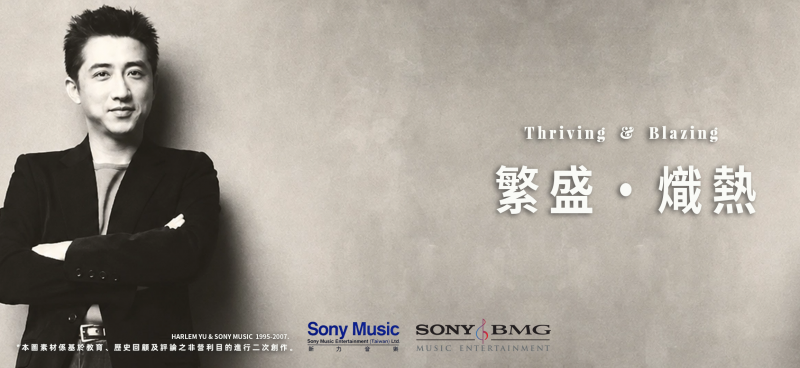
圖像:庾澄慶 x 索尼音樂時期回顧
Image: Harlem Yu and Sony Music.
此時的庾澄慶,無論是對歌曲的敏銳度還是創作思維都更趨內省,呈現出如都會深夜般的內斂與洗練——這段歲月,見證了他從男孩走向成熟男人的真正轉變。他在這一時期的音樂與過往有了顯著的區別:不再一味追求高強度的節奏與曲風的多樣性,而更專注於在音樂創作中完成「文字與意念上的深度溝通」。他試圖收斂起過往音樂中的攻擊性,改用柔和細膩的筆觸,拉近與聆聽者之間的心理距離。
During this juncture, both Harlem Yu's musical intuition and his artistic philosophy grew increasingly introspective, reflecting a sophisticated, urban late-night maturity. This pivotal period marked his definitive transition from a boy to a mature man. His musical output during this epoch manifested a salient divergence from his prior eras: rather than purely pursuing high-intensity rhythms and beats and stylistic pluralism, he redirected his focus toward lyrical and conceptual communication within his songs. He softened the sharp, aggressive edges of his earlier music, instead employing a tender, nuanced emotional touch designed to bridge the psychological distance between people.
這種成熟,也投射在他對台灣樂壇發展的長遠影響中。同年底推出的翻唱專輯《哈林夜總會》,打破了他過往「堅持原創、不翻唱他人」的既有觀念。這番舉動表面上源自電視綜藝節目單元互動的啟發,最初的出發點或許只是好玩,他自己可能也沒想得那麼複雜;但實質上,這正是他身為樂壇中流砥柱,對本土音樂文化所產生的化學反應。在漢化翻唱潮退去、實體唱片工業即將面臨世代交替的關鍵轉折點上,他選擇以肉身構築橋樑,用超前的西方舞曲律動與現代電子合成器音色,重新為瀕臨被時代遺忘的本土老歌注入靈魂,使其在流行市場中重回主流視野。這既是一種文化尋根,也是一場充滿勇氣與霸氣的「老歌新唱」全新典範。
This maturity simultaneously reflected his enduring legacy on the evolution of the Taiwanese music industry. Released at the end of that same year, his cover album, Harlem Night Club, shattered his long-held, entrenched philosophy of strictly adhering to original material and refusing to cover the works of others. While this move was outwardly inspired by interactive segments on his television variety show and initially born out of pure fun—without him overthinking the matter—it functionally sparked a profound cultural chemistry that only an industry pillar could trigger. At a critical nexus where the trend of localized cover songs began to wane and the physical recording industry stood on the precipice of a generational shift, Harlem Yu chose to personally forge a bridge between eras. Utilizing avant-garde Western dance grooves and modern electronic synthesizer textures, he breathed new soul into localized heritage tracks that were on the verge of being forgotten by the era, triumphantly resurrecting them within the mainstream pop market. This endeavor constituted not merely an act of cultural roots-seeking, but stood as a courageous and commanding masterclass in reimagining historical classics.
實力者:榮登全球坐標與加冕華人歌王
The Powerhouse: Scaling Global Heights & Being Crowned the Mandopop King
加盟新力音樂(Sony Music)後的庾澄慶,其音樂呈現出早先不常有的國際質感。1996年,他發行專輯《請開窗》,並應邀赴英國倫敦錄製演唱會,正式成為歷史上第一位榮登 MTV Unplugged 的華人歌手,這在網路時代之前的廣播、電視時代,是巨大的國際化突破。此前在英國參加該節目錄製的皆為保羅·麥卡尼(Paul McCartney)、治療樂隊(The Cure)等西方傳奇音樂人,而與庾澄慶同期受邀的則包括日本頂級天團恰克與飛鳥(CHAGE and ASKA)、印度融合樂團「殖民表親」(Colonial Cousins)以及英國搖滾天團綠洲合唱團(Oasis)。在此種與國際頂尖大師並肩的座標體系下,庾澄慶用最純粹的不插電原音,完成了對其音樂實力的世界級驗證。更具產業指標意義的是,庾澄慶此行不僅身為表演者,更以製作人身分全盤操刀,親率其個人音樂品牌「哈林音樂產房」及台灣頂尖樂手團隊,跨海聯手倫敦弦樂團——完成了一場幕前幕後全方位與國際標準接軌、向全球樂壇展現華語頂級唱片產業水準的歷史性亮相。
Following his transition to Sony Music, Harlem Yu's sonic output began to project an unprecedented international premium texture. In 1996, upon releasing the album Open The Window, he was invited to London to tape his performance for the prestigious program MTV Unplugged, officially cementing his status as the first Chinese artist in history to feature on the iconic show—a monumental cross-border breakthrough in the pre-internet era dominated strictly by traditional television and radio broadcast networks. Prior to this, the legendary UK stage had been reserved for Western titans such as Paul McCartney and The Cure; meanwhile, those invited alongside Harlem Yu in the same contemporary cohort included top-tier Japanese duo CHAGE and ASKA, Indian fusion powerhouse Colonial Cousins, and British rock monolith Oasis. Within this elite coordinate system of global masters, he relied on the raw, stripped-back authenticity of acoustic arrangements to complete a world-class validation of his musical prowess. More significantly from an industrial standpoint, Harlem Yu approached this milestone not merely as a performer, but took the helm as full producer. Leading his proprietary music production house, Harlem Studio, and a premier team of Taiwanese instrumentalists, he joined forces across the ocean with the London Strings—culminating in a historic debut that met global standards across both studio production and live execution, while triumphantly showcasing the top-tier standards of the Mandopop recording industry to the global musical arena.
圖像:庾澄慶1996年在英國舉辦《MTV不插電音樂會》
Image: Harlem Yu held an MTV Unplugged concert in the UK in 1996.
此後,他延續過往的西洋化野心,陸續推出英文專輯《哈林音樂頻道》(1997)、國語專輯《只有為你》(1997)、帶有虛擬偶像超前概念的《哈寶寶我來了》(1998)、與夥伴們共同玩出來的《我最熟悉》(1999)、精選輯《哈林 NO.1精選輯》(1998),以及音樂電影院概念專輯《哈LLYWOOD》(2000),其演藝版圖也使他的影響力進一步擴及至新馬地區。這股跨世紀的原創能量,在2001年的全新個人創作專輯《海嘯》中完成了極致綻放,其中主題曲《情非得已》更因現象級偶像劇《流星花園》爆紅全亞洲。這首經典作品不僅成就了流行神話,更一舉為他贏得了2002年第13屆金曲獎「最佳國語男演唱人獎」的歌王寶座。而2003年的《哈林天堂》與2006年的《戒不掉》專輯,則為哈林的索尼(新力)時代畫下了句點。
Subsequently, extending his established trajectory of Westernized ambitions, Harlem Yu rolled out a succession of diverse projects: the English-language album Harlem Music Channel (1997), the Mandarin album Only For You (1997), the avant-garde virtual-idol concept project Harlem Baby Here I Come (1998), the collaborative release The Familiar Harlem (1999), the compilation Harlem No. 1 (1998), and the cinematic-concept album HaLLYWOOD (2000)—further expanding his footprint into Singapore and Malaysia. This cross-century creative momentum culminated in a spectacular artistic awakening with his 2001 solo studio album, Tsunami (2001). Its lead single, "Can't Help Falling in Love," became an absolute pan-Asian phenomenon as the theme song for the iconic idol drama Meteor Garden. This timeless track not only birthed a Mandopop legend but also earned him the coveted title of "Best Mandarin Male Vocalist" at the 13th Golden Melody Awards in 2002. Ultimately, the albums Harlem's Heaven (2003) and Can't Quit (2006) drew the curtain on his defining era with Sony Music.
在兩岸流行音樂交融的洪流中,雖有諸多資歷更深的台灣歌手活躍於大陸市場,但庾澄慶的軌跡卻顯得尤為特殊。他兩次具備歷史意義的登台,皆非純粹民間性質的商業演出,而是由大陸重要單位主導或主辦的高規格官方盛事。從1990年由亞運組委會與全國青聯主辦的「亞運前夜」,到新世紀交替的2000年,他再次作為台灣流行音樂的指標性代表,受邀再登北京工人體育場,參加由大陸文化、旅遊、廣播電影電視等最高主管機關聯合主辦的《世紀之夢北京演唱會》。這場旨在「迎接新世紀」的重要演出,再次展現了新世紀初兩岸文化交流的緊密與包容。從1990年在同一個體育場的主流破冰,到2000年世紀交接時的重逢,庾澄慶兩度在主流文化舞台上的關鍵現身,在文化象徵與官方規格上,皆與一般的民間商業演出拉開了格局與高度。2006年,他還參加了由北京奧組委支持、中國文促會指導的「唱響奧運、暢想中華」奧運主題曲公益演唱會,以弘揚奧運精神;當時大陸官方媒體《中國新聞網》亦不吝讚美之詞,盛讚庾澄慶為「台灣天皇級的流行歌手」。這進一步印證了他在1990年代至2000年代的海峽兩岸文化交流中,無疑是具備絕對代表性的台灣流行樂壇門面之一。
Amidst the sweeping torrent of cross-strait popular music integration, although numerous Taiwanese singers with deeper seniority have been active in the market of the Chinese Mainland, Harlem Yu's trajectory remains exceptionally distinct. His participation in key historic appearances went far beyond standard commercial tours or grassroots entertainment; instead, they were high-specification official milestones orchestrated or hosted by core institutions in the Chinese Mainland. From the 1990 "Eve of the Asian Games" grand gala—organized jointly by the Asian Games Organizing Committee and the All-China Youth Federation—to the dawn of the new millennium in 2000, he stood once again as the flagship representative of Taiwanese popular music. Invited to return to the Beijing Workers' Stadium, he anchored the "Century Dream" Beijing Concert, a high-profile cultural summit co-hosted by the highest authorities of culture, tourism, radio, film, and television in the Chinese Mainland. This monumental performance, engineered to welcome the new century, powerfully demonstrated the deep connection and cultural inclusivity characterizing cross-strait exchanges at the turn of the millennium. From his mainstream icebreaking performance in 1990 to his return at the century's crossroads in 2000—both mounted within the exact same stadium arena—Harlem Yu's two monumental appearances on these mainstream cultural stages set a unique and exalted precedent, elevating his artistic footprint far above typical commercial concert tours in terms of both cultural symbolism and official specification. Furthermore, in 2006, he participated in the "Singing for the Olympics, Imagining China" Olympic Theme Song Charity Concert, an enterprise officially supported by the Beijing Organizing Committee for the Olympic Games (BOCOG) and guided by the China Cultural Promotion Association to amplify the Olympic spirit. Commenting on this milestone, China News Service (CNS), a premier media network in the Chinese Mainland, was unstinting in its praise, hailing Harlem Yu as "a legendary, titan-class pop artist of Taiwan." This high-level institutional validation further solidifies his historical position as one of the definitive faces of the Taiwanese popular music scene, anchoring the very forefront of cross-strait cultural exchange across both the 1990s and 2000s eras.
這股主流影響力,在電視黃金時代轉化為提攜後輩的溫暖巨浪。2008年至2011年間,正值大陸歌手開拓台灣市場的關鍵時期,丁噹(相信音樂)、周筆暢(金牌大風)、胡彥斌(金牌大風)、張靚穎(環球音樂)、郁可唯(滾石唱片)、井柏然(種子音樂)、青鳥飛魚(金牌大風)等實力唱將紛紛跨海宣傳,而庾澄慶掌舵的《百萬大歌星》等頂級黃金檔節目,便成為他們在台灣主流市場展現實力、完成文化交流的指標性舞台之一。在這座華語音樂力量交會的電視窗口裡,哈林給予了這群初來乍到的大陸後輩諸多關照與提攜。面對在陌生綜藝環境中神情緊繃、生怕出錯的大陸唱將與演藝新秀,他用標誌性的溫暖與幽默,在舞台上協助他們適應本土綜藝的節奏,更在音樂實力的交流中,給予他們極高的同行尊重。無論是郁可唯面臨金曲獎入圍資格風波時,他「繼續往前進」的溫情鼓勵,還是周筆暢、張靚穎現場 Live 飆歌時他發自內心的讚賞與力薦,都成為當時兩岸流行音樂良性互動的溫暖註腳。從1990年代跨海舉辦演唱會的早期破冰,到新世紀在電視螢幕上力挺大陸新生代,庾澄慶始終將個人的專業素養與主流媒體平台相結合,為兩岸流行音樂的實質交融提供了積極的推動力量。
During the golden age of television, this mainstream influence transformed into a warm, supportive wave that lifted the next generation of talent. Between 2008 and 2011, a critical juncture for singers from the Chinese Mainland expanding into the Taiwanese market, a succession of formidable artists crossed the strait for promotional campaigns, including Della Ding Dang (B'in Music), Bibi Zhou (Gold Typhoon), Anson Hu (Gold Typhoon), Jane Zhang (Universal Music), Yisa Yu (Rock Records), Boran Jing (Seed Music), and Blue Bird Flying Fish (Gold Typhoon). Consequently, premier prime-time programs helmed by Harlem Yu, such as Million Singers, became benchmark stages for these artists to demonstrate their exceptional talent and engage in meaningful cultural exchange within the mainstream market. Within this broadcasting window where Chinese musical forces converged, Harlem Yu provided extensive guidance and mentorship to these newly arrived peers from the Chinese Mainland. Observing these vocalists and emerging talents who were palpably tense and anxious about making mistakes in an unfamiliar variety-show environment, he leveraged his signature warmth and humor to help them adapt to the fast-paced rhythm of local variety television, while extending profound professional respect during their musical exchanges. Whether through his reassuring encouragement to Yisa Yu to "keep moving forward" during her Golden Melody Awards Best New Artist eligibility controversy, or his genuine commendation of Bibi Zhou and Jane Zhang during their live vocal exhibitions, these actions served as a warm reflection of the vibrant cultural interactions across the music industry during that period. Progressing from the early paradigms of cross-strait concert exchanges in the 1990s to supporting the new generation of Mainland talent on the television screen in the 21st century, Harlem Yu consistently fused his individual professional expertise with mainstream media platforms, functioning as a vital catalyst for the substantive integration of cross-strait popular music.
邁入2010年代,這股強大的主流號召力在大陸的音樂浪潮中,得到了更具指標性的延續。在這段期間,庾澄慶擔任多屆浙江衛視現象級音樂選秀節目《中國好聲音》(2012、2013、2015、2018、2019)及《中國新歌聲》(2016)的導師,帶領出吳莫愁、金潤吉等優秀學員。2014年,時隔20年,他再次參加中央電視台《春節聯歡晚會》,與韓國演員李敏鎬共同演唱歌曲《情非得已》。這次登台意義非凡,象徵著他在大陸的主流影響力不僅橫跨1990年代與2000年代,更一路延續到了整個2010年代。
Entering the 2010s, this formidable mainstream influence found an even more iconic continuation within the evolving musical landscape of the Chinese Mainland. Throughout this decade, Harlem Yu served as a core mentor across multiple seasons of Zhejiang Television's phenomenal singing competition shows, The Voice of China (2012, 2013, 2015, 2018, 2019) and Sing! China (2016), successfully guiding and mentoring exceptional protégés such as Momo Wu and Jin Runji. In 2014, over two decades after his historic 1992 debut, he returned to CCTV's Spring Festival Gala to perform his timeless hit, "Can't Help Falling in Love," alongside South Korean actor Lee Min-ho. This monumental performance carried profound cultural weight, solidifying his position as a rare titan whose mainstream presence in the Chinese Mainland effortlessly spanned the 1990s, the 2000s, and the entire 2010s.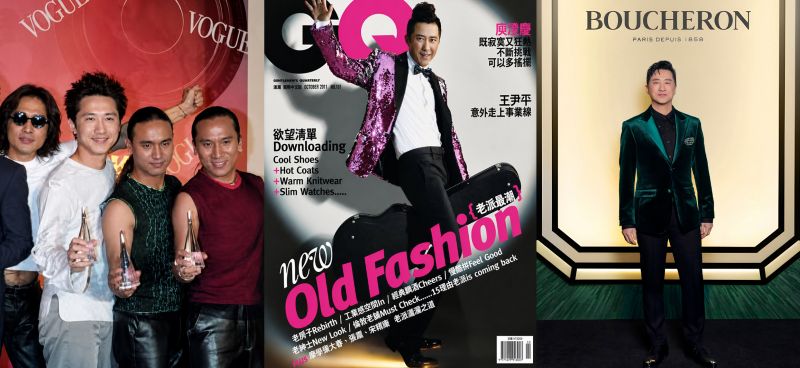
圖像:庾澄慶亮相時尚活動
Image: Harlem Yu Makes Appearances at Fashion Events.
除了在音樂與綜藝舞台上的不老常青,哈林在時尚領域同樣擁有著跨越世代、極具分量的矚目成就。1998年,法國時裝品牌香奈兒(Chanel)創意總監「老佛爺」卡爾·拉格斐(Karl Lagerfeld)曾親口給予高度評價,盛讚「庾澄慶的長相和穿著是現代年輕人的典範」,這在當年的華語樂壇堪稱鳳毛麟角的國際認證。隨後,他於1999年榮獲《VOGUE TAIWAN》頒發的「VOGUE時尚藝人獎」,並於2011年成為《GQ TAIWAN》封面人物。到了2026年,法國百年頂級珠寶品牌寶詩龍(Boucheron)更邀請他為中國首間旗艦店的開幕晚宴壓軸獻唱。儘管他的時尚活動次數不算頻繁,但從世紀末老佛爺的殿堂級讚譽,到如今頂級珠寶品牌的璀璨一夜,皆一再證實了他跨越世代、引領潮流的頂尖時尚男性形象。
Beyond his enduring longevity across musical and television spheres, Harlem Yu has simultaneously commanded cross-generational, high-caliber achievements within the fashion world. In 1998, Karl Lagerfeld, the legendary creative director of the French fashion house Chanel, personally showered him with high praise, declaring that "Harlem Yu's appearance and attire serve as a blueprint for contemporary youth"—an international validation that was exceptionally rare within the Chinese-speaking music industry at that time. Subsequently, in 1999, he was conferred the "VOGUE Fashion Artist Award" by VOGUE Taiwan, and later graced the cover of GQ Taiwan in 2011. In 2026, the century-old French high-jewelry house Boucheron extended a formal invitation for him to perform at the gala dinner celebrating the grand opening of its first China flagship store in Xintiandi, Shanghai. Although his participation in fashion events has remained selectively rare, the trajectory stretching from the late-century praise of Karl Lagerfeld to this dazzling evening with a top-tier luxury brand continually validates his enduring image as a cross-generational, trend-setting fashion icon.
警示者:審視隱性機制與拆解失格樣本
The Warner: Scrutinizing Hidden Rules & Deconstructing Compromised Idols
所謂頂級人氣節目的本質,是串聯資本、品牌與觀眾的戰略樞紐。在這個生態圈中,這類節目絕對不是一個純粹的視聽空間,而是一個多維利益媒合的超級媒介。節目憑藉著電視台影響力與 IP 流量構築起強大的傳播磁場,將大眾觀眾、音樂產業鏈人士以及商業品牌,全部納入其觀看與利益分享的矩陣之中。在此矩陣中,歌手的每一次登台都不只是藝術表達,而是一場面對不同利益關係人的戰略簡報與展演。平台作為紐帶,不僅掠奪了大眾的眼球與流量,更在多邊利益的對撞中,衍生出複雜的商業紅利。
The true essence of a top-tier blockbusting program lies in its function as a strategic hub that connects capital, brands, and audiences. Within this television ecosystem, such a show is absolutely not a pure audiovisual space; rather, it serves as a hyper-medium for multi-dimensional matchmaking among diverse interests. Leveraging network influence and intellectual property traffic, the program constructs a powerful broadcasting magnet, drawing the mass audience, music industry professionals, and commercial brands alike into its viewing and profit-sharing matrix. Within this matrix, a singer's every performance ceases to be a mere artistic expression; instead, it becomes a strategic presentation directed at a complex web of stakeholders. Serving as the ultimate linchpin, the platform not only captures and monetizes mass attention and traffic, but also extracts complex commercial dividends from the collision of these multilateral interests.
然而,這種商業紅利與純粹藝術之間,天然存在著難以調和的張力。特別是在個人 IP 不具備驅動生態圈影響力的情況下,這種矛盾尤為激烈。目前,能同時在純粹藝術中游刃有餘、又兼具頂級流量與商業價值的龍頭巨星屈指可數,而這類頂級歌手根本沒有任何理由與需求來參加這類競演節目。由此推論,選擇參賽的歌手,本質上都在演藝生涯遇到了階段性的短處與瓶頸,渴求大眾流量或商業價值的加持。對於二、三線藝人而言,他們「毫無包袱」,參賽舞台絕對是利遠大於弊;但對於具有資歷、時下熱度卻稍微欠缺的老一輩藝人來說,局勢就會複雜得多——他們的心態相對純粹,但在資本巨輪和各方利益關係人的博弈廝殺之下,若缺乏足夠的籌碼,又該如何立足?
However, an inherent, irreconcilable tension persists between these commercial dividends and pure art. This contradiction becomes particularly fierce when an individual IP lacks the ecosystem-driving influence to command the market. Currently, top-tier megastars who can effortlessly master their pure artistic craft while simultaneously generating peak engagement and commercial traction can be counted on one hand; these elite artists have absolutely no reason or need to participate in such competitive television programs. By logical deduction, singers who choose to compete have, in essence, encountered a temporary plateau or transitional hurdle in their careers, thirsting for the validation of mass traffic or commercial revitalization. For second- and third-tier artists, who are entirely unburdened by a legacy, the upside of taking such a stage far outweighs the downfalls. Yet, for veteran artists possessing deep industry credentials but lacking immediate contemporary momentum, the situation becomes far more complex. While their individual mindsets may remain relatively pure, they find themselves locked in a brutal battle against the juggernaut of capital and the fierce infighting among competing stakeholders. Without sufficient leverage of their own, how can they possibly stand their ground?
這便揭示了暗流之下的殘酷現實:在資本與平台的巨輪下,藝人若缺乏強烈的談判與權衡意識,縱使才華橫溢,其藝術成就也極易淪為他人隨意斷章取義、包裝炒作的產業組件。為了避免這種命運,藝人及其團隊必須主動迎戰、積極權衡。否則,在錯綜複雜且充滿陷阱的險惡深淵中,藝人將徹底淪為被動受制的客體。這也正是此類節目最諷刺之處:那層包裹在資本外衣下、表面上看似純粹的音樂舞台,在利益現形的此刻,終究蕩然無存。
This exposes the brutal reality churning beneath the undercurrents: under the crushing wheels of capital and powerful platforms, if artists lack a fierce awareness of leverage and strategic negotiation, their artistic achievements—no matter how brilliant—can easily degenerate into disposable industrial components to be decontextualized, re-packaged, and sensationalized at the whim of others. To avert this fate, artists and their managerial teams must proactively take the initiative to navigate these dynamics and actively assert their value. Otherwise, within a treacherous vortex rife with calculation and traps, the artist will completely devolve into a passive, subjugated object. This is precisely the ultimate irony of such programming: that fleeting veneer of a seemingly pure musical stage, heavily wrapped in commercial romanticism, completely vanishes into thin air the moment masks slip and raw financial motives stand exposed.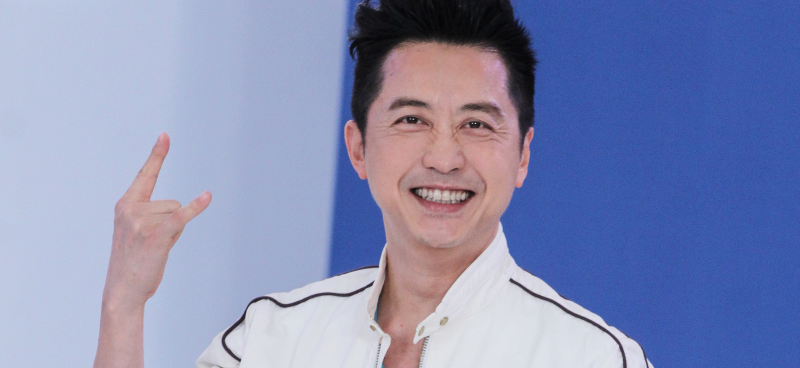
圖像:2010年代的庾澄慶
Image: Harlem Yu in the 2010s.
反觀這類節目,究竟隱藏著什麼樣的黑箱與操作空間?只要將這檔競演節目放在音樂產業的解剖台上,我們就能冷靜地審視現代綜藝產業中普遍存在的隱性機制:其中包括現場評審團的抽樣與組成、節目組對於選曲的協商與干預權限、幕後音樂編曲團隊的指定,乃至伴隨節目熱度而生的社群媒體議題操作與輿論風向。
Turning our gaze back to these programs, what exactly are the black boxes and room for manipulation hidden beneath the surface? By placing this competition show onto the dissection table of the music industry, we can calmly scrutinize the implicit mechanisms ubiquitous within modern music competition variety programming. These include the sampling and demographics of the live audience jury, the production team's strategic leverage and intervention in song selection, the mandatory assignment of behind-the-scenes music arrangement teams, and the calculated manipulation of social media narratives and public discourse engineered alongside the show's virality.
在產業邏輯中,局部的變數控制往往只是流於表面的作秀,只有當所有的底層變數都在嚴密的監控範圍之內,賽制才可能達成相對宏觀意義上的公平與公正。然而,現實中的隱性操作恰恰相反。現場評審團的來源、地域、偏好與年齡組成,如同實驗室裡被刻意篩選的樣本數據。當這種極度局部的特定群體被用作唯一的評判依據時,它如何能作為具備普適意義的代表性樣本,進而得出經得起推敲的公允結論?這在統計學與產業美學上,根本不具備任何科學客觀性。更糟糕的是,在認知度並沒有那麼深入的一般大眾層面,人們往往會對表面結果信以為真。當這份不具客觀性的「偏頗結論」與職業聲譽直接掛鉤時,無異於直接動搖、甚至觸發了藝人的聲譽根基。
Within the logic of an industrial competition, localized variable control is often merely superficial window dressing. A mechanism can achieve fairness and transparency in a macro sense only when all underlying variables are placed under stringent control. In reality, however, potential behind-the-scenes manipulations often run completely counter to this ideal. The origins, demographics, inherent biases, and age composition of the live audience jury function exactly like biased laboratory sample data. When such an acutely localized, specific demographic is instituted as the sole metrics for judgment, how can it possibly serve as a representative sample possessing universal significance, let alone yield a fair conclusion that withstands scrutiny? In terms of statistics and industry aesthetics, this methodology utterly lacks scientific objectivity. Worse still, among the uninitiated mainstream audience who lack a deeper understanding of these inner workings, people often take these superficial results at face value. When this unobjective and skewed conclusion is directly tethered to professional prestige, it shakes the very foundations of an artist's career standing.
拋開複雜的媒介理論,回歸產業現實,我們其實只需要思考最核心的問題:這類舞台對於歌手、乃至本土音樂產業而言,究竟是「加值」還是「消耗」?如果答案是加值,它理應源源不斷地吸引更多明星歌手與前輩大咖加入,這種雙向奔赴的信念更應貫穿於整季節目,始終不渝。它對內真正為歌手帶來成長,使其突破某個階段性的劣勢與瓶頸;對外則力挺平台,扮演著產業培力者的核心角色。若是消耗,再高昂的收視率也只是資本在自娛自樂,最終留下的,不過是一地被工業流水線過度消耗的音樂靈魂,以及滿目瘡痍的音樂生態。
Stripping away complex media theories and returning to industrial reality, we ultimately need to ponder only the most critical question: Is this type of stage value-additive or value-depleting for the singers, and by extension, the local music industry? If the answer is value-additive, it should naturally attract a continuous influx of star vocalists and legendary veterans; this shared conviction of mutual enrichment ought to run through the entire season, steadfast and unyielding. Internally, it should bring genuine growth to the artists, enabling them to break through a temporary plateau or transitional hurdle; externally, it elevates the platform, fulfilling its vital role as a core incubator for industry capacity-building. If it is value-depleting, however, even the highest viewership ratings are nothing more than capital engaging in hollow self-gratification. What is ultimately left behind is merely a graveyard of musical souls processed and discarded by the industrial assembly line, and a devastated, hollowed-out musical ecosystem.
演進者:跨文化移植實踐與跨代歷史接力
The Evolver: Practicing Cross-Cultural Synthesis & Driving Intergenerational Legacy
在如今這個全球化與資訊爆炸的時代,任何年輕歌手都能直接向歐美最頂尖的音樂人學習與模仿。在這種「人人皆可同步全球」的背景下,我們不禁要問:傳統拓荒者的歷史價值到底是什麼?要回答這個問題,必須回歸華語音樂在地化發展的核心本質。我們必須承認一個根本性的現實:全球流行音樂的起源與發展脈絡並不在華語世界。正因如此,華語樂壇長久以來對於「全球流行」的定義與追逐,往往缺乏本土的文化根基,容易陷入迷茫與盲從。如果拋開當下資訊氾濫的表象,冷靜審視華語樂壇的演進軌跡,我們會發現,外來音樂在面對這種「缺乏先天根基」的困境時,其在地化實踐主要演變出了四種形態:
In today's age of globalization and information explosion, any young singer can directly learn from and mimic the world's top musicians in real-time. Against this backdrop of universal global synchronization, we must ask: What is the true historical value of pioneers like Harlem Yu? To answer this question, one must return to the underlying logic of the localization process within Chinese popular music. We must confront a fundamental reality: the roots and lineage of global popular music did not originate within the Chinese-speaking world. Consequently, the Mandopop industry's long-standing chase to define "global pop" has often lacked a domestic cultural foundation, rendering it susceptible to confusion and blind imitation. If we strip away the illusion of contemporary information saturation and calmly scrutinize the evolutionary trajectory of the Mandopop scene, we find that when foreign music confronts this lack of an innate foundation, its localization practices primarily manifest in four distinct forms:
第一種,是單向的模仿。處於產業鏈末端的歌手透過翻唱歐美歌曲,實現外來音樂在本土的二次傳播。第二種,是單純的引進與轉化。華語樂壇一度盛行直接複製日本、歐美的流行曲調,重新填上中文歌詞,以此打造出所謂的「二次華語經典」。第三種,則走向另一個極端,即以封閉式的在地創作為主。這是一種近乎隔絕全球化、完全退守本土傳統的保守路徑。在前三種形態都無法從根本上解決「缺乏本源根基」、又想平衡「國際化」與「本土化」的困境下,便衍生出了第四種、也是最進階的終極形態——那便是主動吸納全球主流的曲風範式與樂曲框架,並在此基礎上,全方位進行本土化的內容創作與美學探索。這意味著,必須徹底重組既有的創作思維,深度結合中文的語言特性、華人歌手的發聲構造,以及本土的傳播特質。這第四種形態,正是庾澄慶等拓荒者當年的核心實踐。然而,這條路絕非坦途。在當時的歷史時空下,擺在所有跨文化移植者面前的,是三道看似無法逾越的產業天險:
The first is unidirectional imitation, where singers located at the lower echelons of the global industry chain relied on covering Western songs to achieve a secondary transmission of foreign music within the domestic market. The second is mere importation and adaptation. The Chinese music scene was once dominated by the practice of directly replicating Japanese and Western popular melodies and setting them to Chinese lyrics, thereby forging so-called "derivative Mandopop classics."The third veers to the opposite extreme: an insular, closed-door approach to domestic creation. This is a conservative trajectory that practically decoupled from globalization, retreating fully into localized traditions. When the first three forms failed to fundamentally resolve the dilemma of lacking a foundational root, yet still sought to balance the international with the local, there emerged the fourth—and most advanced—ultimate paradigm. This form involves proactively absorbing global mainstream genre paradigms and musical frameworks, and using them as a foundation for all-around local content creation and aesthetic exploration. This required a complete restructuring of established creative thinking, deeply integrating these global styles with the unique linguistic traits of the Chinese language, the vocal physiology and phonetics of Chinese singers, and the specific dissemination characteristics of the local market. This fourth paradigm was precisely the core practice of pioneers like Harlem Yu. Yet, this path was by no means a smooth journey. In that specific historical nexus, what stood before all transcultural transplantation practitioners were three seemingly insurmountable systemic barriers:
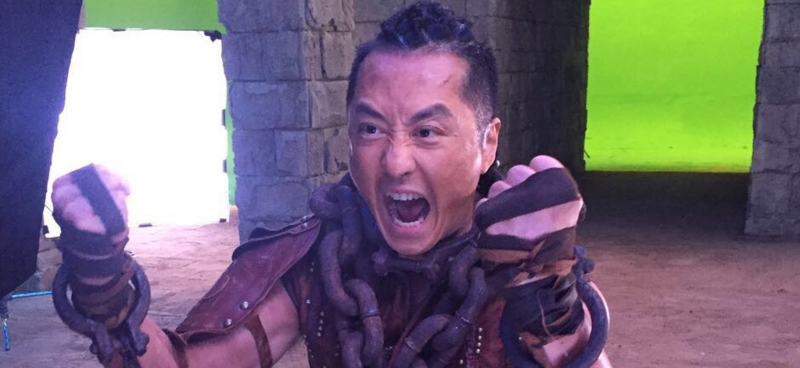
圖像:2010年代的庾澄慶
Image: Harlem Yu in the 2010s.
第一,是中英文在語言結構與讀音上的先天矛盾。這意味著跨文化的移植絕非簡單的複製,而是必須在漢語語境下,摸索出一套全然陌生的西洋律動咬字公式,這觸及了最艱難的「漢語語境音樂化改造」。
First was the innate friction between Chinese and English phonetics, specifically regarding linguistic structure and tonal phonology. This meant that transcultural transplantation was far from a matter of mere duplication; rather, it required pioneering an entirely foreign groove-and-diction formula within a Mandarin context, tackling the most arduous task of "the radical musical restructuring of the Chinese linguistic context."
第二,是華語唱片產業流水線僵化的分工體制。在傳統的產業體制下,歌手往往只負責唱歌,詞曲作者負責創作,而編曲、樂器編制和錄音的主導權,則死死掌握在唱片公司高層手中。在這種創意主動權完全落入旁人的架構下,歌手僅僅是流水線末端的執行者。若無法打破舊體制,真正落實以個體為中心的現代化製作體系——完成從創意動機、創作演唱到編曲製作的全面掌控,所謂的原創自由,便只是海市蜃樓。
Second was the ossified division of labor within the traditional assembly lines of the Mandopop record industry. Under this legacy system, singers were strictly limited to vocal duties, and songwriters handled the composition, while complete creative and executive control over arrangements, instrumentation, and recording was tightly monopolized by label executives. Under an architecture where creative autonomy fell entirely to corporate overseers, the singer was merely a vocal executor at the very end of the industrial assembly line. Unless an artist-centric, modernized production system could be established—achieving absolute command over everything from creative conception and songwriting to arrangement, vocal execution, and final production—the so-called freedom of originality remained a mere mirage.
第三,是藝術前衛探索與市場回報率的殘酷矛盾。在商言商的唱片產業裡,若缺乏廣泛且成功的商業典範,以利益驅動的唱片公司絕不可能憑空為歌手投入巨額預算,去製作全然西洋化的音樂。如果不能向大眾市場與資本陣營證明「非純旋律導向、以節奏和聲線為核心的西式音樂,在華語世界同樣能創造頂級商業價值」,後輩的原創力量就永遠無法獲得基本的市場信任與培育基礎。
Third was the ruthless contradiction between avant-garde artistic exploration and market returns. In a record industry where business is strictly business, the complete absence of a commercially successful paradigm meant that profit-driven labels would never speculatively allocate massive budgets to produce fully Westernized music for an artist. If one could not prove to the mass market and the gatekeepers of capital that groove-heavy, rhythm-centric Western formats—rather than purely melody-driven tracks—could generate top-tier commercial value in the Chinese-speaking world, the next generation of original talent would forever be denied basic market trust and a foundation for institutional incubation.
這三道近乎死局的產業天險,構成了華語樂壇長久無法掙脫的歷史泥淖。幸而,歷史的破局從非一人之功。在多代華語樂壇前輩的鋪墊、破土與推動下,體制與美學的冰層被層層擊碎。到了庾澄慶這一輩,終於得以直接觸及流行音樂的核心結構,在華語語境下完成了極具前瞻性的律動重組。他們承接了前人的星火,將一條原本九死一生的跨文化拓荒險途,為華語流行音樂產業改良、拓寬成了一條通暢的現代化產業坦途。他們這群人是這場長達數十年在地化演進的集大成者,其歷史殿堂地位,必將在時代的沉澱中,日益彰顯。
These three seemingly unbreakable systemic barriers formed a historical quagmire from which the Mandopop scene could not unshackle itself for decades. Breaking a historical deadlock is never the feat of a single individual. Under the foundational paving and relentless push of multiple generations of Mandopop predecessors, the icy layers of traditional institutions and aesthetics were shattered piece by piece. By the time it reached the generation of Harlem Yu, artists were finally able to directly engage with the core structures of popular music, executing a highly forward-looking reorganization of groove within a Mandarin linguistic context. Inheriting the sparks of those who came before them, this collective transformed a perilous, nearly impossible cross-cultural trek into a smooth, modernized pathway for the Mandopop industry. This group stands as the ultimate synthesis of a decades-long evolutionary localization; their place in the pantheon of music history will only grow more resonant with the passage of time.
覺醒者:回溯血脈源頭與觸碰天命底色
The Awakener: Tracing the Ancestral Lineage & Embracing the Colors of Destiny
作為觀察者而言,我認為庾澄慶的音樂使命遠未到完美收官的階段,他也遠未步入退休與遲暮的時期。從他重磅出任《中國好聲音》等現象級音樂綜藝導師開始,庾澄慶的視角便已不再局限於個體的舞台爭鋒,而是自覺地轉向了整個音樂生態的人才挖掘與產業培力。這段跨越多年的導師經歷,顯然促使他重新思考「玩音樂」的終極意義——他不再只是音樂的實踐者,而是成為了產業的擺渡人。這種心態的蛻變,直接催生了2017年的概念專輯《西哈遊記》,並隨後將其成功拓展為華語樂壇罕見的魔幻音樂劇形式。從《西哈遊記》的主題與構想中,我們已能清晰地窺見一種自覺的探索與連結:他開始將自己根深蒂固的東方身分與西洋的音樂形態,進行一場深刻的解構與重組思索。
From the perspective of an observer, I contend that Harlem Yu's musical mission is far from fully accomplished, nor has he entered a stage of retirement or twilight. Beginning with his heavy-weight presence on phenomenal music reality shows such as The Voice of China, Yu's vantage point transcended the bounds of individual stage competition; instead, it consciously shifted toward talent excavation and industrial cultivation across the entire musical ecosystem. This multi-year tenure as a mentor evidently prompted him to rethink the ultimate meaning of "playing music"—he was no longer merely a practitioner of sound, but had become a ferryman of the ecosystem itself. This profound cognitive metamorphosis directly catalyzed his 2017 concept album, Harlem’s Incredible Musical Journey to the West, which he subsequently expanded into a fantasy musical comedy—a rare feat in the Mandopop industry. Within the themes and conceptual framework of Westside Monkey King, one can distinctly glimpse a conscious exploration and synthesis: he began a phase of deep deconstruction and restructuring, reconciling his deeply rooted Eastern identity with Western musical paradigms.
而在我眼裡,他人生上半場那些驚人的國際化沉澱、產業洗鍊與生命變故,不應只是躺在歷史功勳簿上的勳章,而應該內化為他更高階的「音樂神聖意識」。這場下半場的最終啟示,實則指向了他出生時便被銘刻在靈魂深處的音樂啟蒙。這股力量,來自於血脈的召喚。他的母親張正芬作為一代國寶級京劇名伶,讓他在孩提時代便耳濡目染於東方傳統戲曲的唱念做打之中。這是一種他在少年與青年時期,為了追求西洋前衛音樂而刻意忽視、乃至於全然無感的文化薰陶,但恰恰也是他生命最底層、最無法抹去的原生底色。當他在人生上半場花費了整整半生,去深入探索、解構西方律動與電子樂編制之後,下半場的他,理應回過頭去觸碰並喚醒這股埋藏在基因裡的傳統文化底蘊。這是目前的庾澄慶在過往音樂版圖中尚未實質觸及的未知領域,但恰恰是真正帶有東方天命色彩的藝術歸宿。
In my eyes, the breathtaking international accumulation, industrial refinement, and life vicissitudes of the first half of his career should not merely remain as medals resting upon a historical laurel; instead, they must be internalized to feed back into his higher-order "sacred musical consciousness." The ultimate revelation of this second half points, in truth, to the musical enlightenment inscribed into the very depths of his soul at birth. This force hails from the calling of the bloodline. His mother, Chang Cheng-fen, as a national treasure level diva of Peking Opera, ensured that he was immersed from early childhood in the foundational fourfold skills of Peking Opera—singing, speech, dance-acting, and combat (唱、念、做、打)—within the realm of traditional Eastern theater. This was a cultural saturation that he deliberately ignored, and was even entirely numb to, during his youth and adolescence in pursuit of avant-garde Western music; yet, it happens to be the bedrock and most indelible primary color of his existence. Having spent the first half of his career and a full half of his life making a cross-dimensional dive to deconstruct Western grooves and electronic codes, it is only fitting that in the second half, he turns back to touch and activate this traditional Chinese heritage buried deep within his genes. This remains an uncharted territory that Harlem Yu has yet to materially touch within his past commercial empire, but it is precisely the artistic destiny cloaked in true Eastern fate.
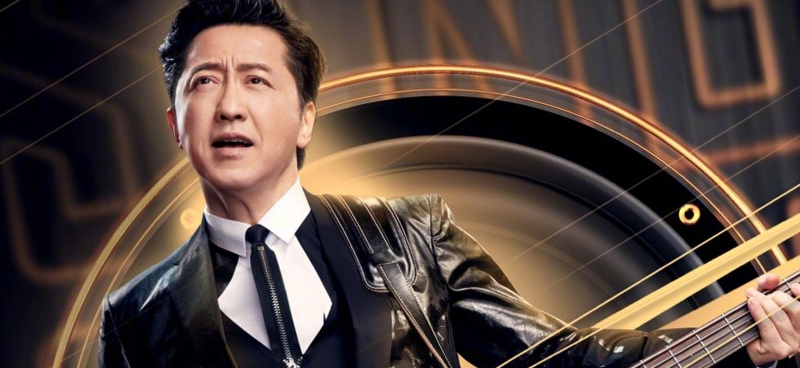
圖像:2010年代的庾澄慶
Image: Harlem Yu in the 2010s.
西洋放克、靈魂樂的極致外放,與東方京劇神韻的極致內斂,這兩種看似水火不容的美學極點以及其他非物質文化遺產的音樂形態,完全有可能在他的高階意識中,完成跨時空、跨東西方的化學反應。正因為它們隸屬於完全不同的核心結構與演進脈絡,在常規的音樂範式下,兩者甚至相互排斥、根本無法相容,稍有不慎便會淪為不倫不類的「四不像」。因此,這場實驗的終極奧義,絕非停留在最淺顯的符號化表面模仿,而是必須徹底跳脫出表層的唱段與旋律表達。它要求創作者直接潛入兩者的美學本源,進行一場顛覆性的實驗性重構——這種打破常規範式的極限撕裂、在藝術失衡中重塑平衡之美的決絕,正是庾澄慶的核心才華與最游刃有餘的領域。
The extreme external projection of Western Funk and Soul, collided with the extreme internal containment of Eastern Peking Opera and the quintessential spirit of national heritage, alongside other forms of intangible cultural heritage music, possess every potential to ignite a cross-temporal, cross-hemispheric chemical reaction within his higher consciousness. Precisely because they belong to entirely separate underlying logics and evolutionary paths, under conventional musical paradigms, the two are mutually exclusive and inherently incompatible—the slightest misstep would inevitably result in a grotesque, incoherent hybrid. Consequently, the ultimate mystery of this experiment by no means rests upon superficial, tokenistic imitation; instead, it demands a radical departure from surface-level arias and melodic expressions. It requires the creator to plunge directly into the deep underlying logic of both traditions, executing a subversive, experimental reconstruction. This radical visual and auditory split—shattering conventional paradigms to forge a terrifying balance of beauty within artistic disequilibrium—is precisely Harlem Yu's core domain of talent and ultimate comfort zone.
放眼整個華語樂壇,他是獨一無二的異數:既具備在核心結構上解構、重組西洋流行音樂的深厚國際視野,又天生自帶傳統戲曲的血脈底蘊。當這種「極致的外放」與「極致的內斂」在底層律動上達成和解,那將不再是流於表面的「中國風元素拼貼」,而是華語流行音樂跨文化移植的最高階形態。當然,這只是作為觀察者的其中一個視角。這種血脈與藝術的感召,從來強求不得,它必然是生命走到某個階段時的自然而然。我所期待的,是他在閱盡繁華、回歸本真之後,能以這半生的西洋化美學去內化並翻轉東方戲曲神韻,在歲月的沉澱中,最終孕育出那場真正屬於華語流行音樂的終極藝術大作。
Looking across the entire landscape of Mandopop, he stands as a singularly unique anomaly: possessing both the deep international perspective required to deconstruct and restructure Western popular music at its underlying logic, and the innate bloodline heritage of traditional theater. When this "extreme external projection" and "extreme internal containment" achieve reconciliation at the level of underlying rhythm, it will no longer be a superficial collage of "China Wind" or "Guofeng" elements, but rather the highest-order form of cross-cultural transplantation in Chinese popular music. Of course, this remains but one vantage point of an observer. A calling of bloodline and art can never be forced; it must manifest as a natural consequence when life reaches a certain stage. What I look forward to is that, after exhausting all earthly splendors and returning to his true essence, he may use a half-life of Westernized aesthetics to ruminate upon the quintessence of Eastern heritage—and, within the sedimentation of time, ultimately birth that definitive, ultimate masterpiece belonging truly to the art of Greater Chinese popular music.
對話者:跨代青春共鳴與重逢青葱少年
The Interlocutor: Awakening Cross-Generational Resonance & Reconnecting with the Verdant Youth
【編者推薦歌單】
【 Editor's Recommended Tracklist 】
「青春」不是一個特定的歷史年代,而是一個人類必經的生命階段。每一個世代的年輕人,都有著同一條情感牽引,拉扯出跨時空的階段共鳴——從青蔥喧囂的無畏,到情感世界的離合,再到時光蹉跎後的釋懷。這是編者精選的十首庾澄慶必聽經典。致 Z 世代,這是一場跨時空的平等交流,他依然是最好的哈林、最好的庾澄慶。當午後的陽光散盡,霓虹將再次亮起,願你在這場沒有終點的時空漫遊裡,再次遇見那個永不退場的青蔥少年。
"Youth" is not a specific historical era, but an inevitable stage of human existence. Every generation of youth shares the exact same thread, pulling together a stage-by-stage resonance that transcends time and space. From the reckless fearlessness of green, clamorous days, to the unions and severances of the emotional world, and ultimately, to the profound acceptance born from the wear of time—this is a curation of ten tracks by Harlem Yu, meticulously selected by the editor. To Gen Z, this is an equal exchange across space and time; he remains, unequivocally, the absolute best of Harlem Yu. As the afternoon sunlight fades to nothing and the neon flare ignites once more, may you, in this never-ending spatial-temporal odyssey, cross paths once again with that verdant youth who never leaves the stage.
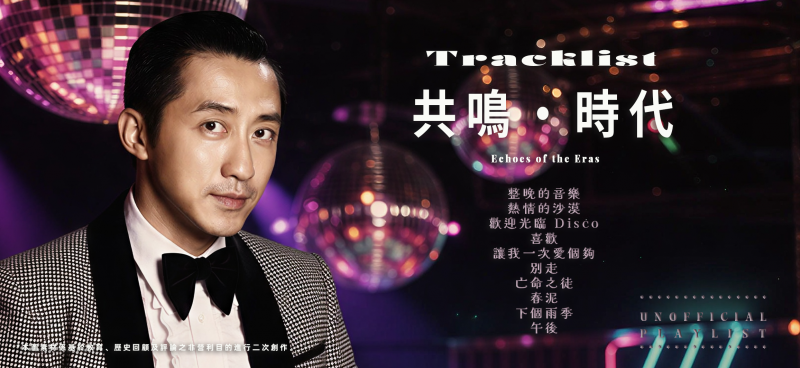
1、整晚的音樂 | Music All Night(1989)
2、熱情的沙漠 | Passionate Desert(1998)
3、歡迎光臨 Disco | Welcome to Disco(2001)
4、喜歡 | Liking You(1995)
5、讓我一次愛個夠 | Give You All My Love(1989)
6、別走 | Don't Go(1986)
7、亡命之徒 | The Outlaw(1997)
8、春泥 | Spring Mud(2003)
9、下個雨季 | The Next Rainy Season(2013)
10、午後 | Afternoon(1988)
『以上文章版權為本文作者所有,授權刊登於PlayMusic音樂社群網站』

.jpg&w=130&h=130&a=t)


